Gaza Strip 17 April 2008

A Palestinian family flees after an Israeli tank attacked a house in their neighborhood east of Jabaliya refugee camp, northern Gaza Strip, 1 March 2008. (Wissam Nassar/MaanImages)
In a few weeks, Palestinians the world over will commemorate their Nakba (catastrophe) — the loss of their homelands, their identity, dignity and their life.
Many countries and organizations that are interested in the Palestinian dilemma will help in this commemoration. The Nakba for them is to speak about the sufferings and loss of a nation, to tell stories from those who witnessed the real event and fled from their homeland with one hope — that one day they will return.
As a third-generation Palestinian refugee, the Nakba to me is different in terms of the pain and suffering it holds. I am totally aware of the great loss that my grandparents and my parents experienced when they fled from their homeland in 1948. I know how devastating it is to lose the place that gives you all the feelings of security, and the identity that tells who you really are. The pain that my grandparents held during the years of their life in the camp until they died with their only wish to see their home again is heart-breaking. The dreams that my father holds on behalf of his parents, and his own dreams of returning back home, is also heart-breaking.
But for me, the Nabka is more than fleeing the homeland, and losing your identity. It is not having a single memory of the homeland that once was for your grandparents, and your parents. It is not having anything to tell your children, like the taste of your land’s fruits, the smell of its sand, about stories and experiences with your people.
My grandparents and their generation, my parents and their generation too are lucky, simply because every one of them still has a story to tell, a story of their own, even their story about their journey of fleeing with all its painful experiences. Their shared memories of the place that once was theirs helped them to continue in their life, and gave them the courage to struggle against the bad conditions they have to live.
I still remember the stories of my grandparents about their homeland, about their traditions, their neighbors, weddings, giving birth, even about death. With every word they narrate, a stream of feelings breaks the pain and loss and brings back their homeland again, fresh and alive, as if they never left it once.
These stories were the sparkle of hope that strengthened their conviction and will, and give them a reason to live, to continue. Sharing these stories with their children and their grandchildren was the revival of their homeland.
I am a refugee who has lived her entire life in a camp, wondering what stories to tell my children, what stories to keep. The stories I have are limited to the camp, to the narrow alleyways, to the sewage canals that overflowed in winter, to the crowded classrooms.
My stories do not have a grove — to describe its fruits and its taste. In my stories, there is no natural scenes, and simple people who live their day. Stories that my children will never live, because they too will live the same life that their parents have — the life of the camp. They will walk in the same narrow alleyways, they will jump over the same sewage canals to cross the street, and they will experience the same crowded, painful life that their parents lived.
The experience of fleeing was terrible for my parents and my grandparents, but the memories they hold over the years alleviate the taste of their loss and pain. The memories help when they are lost in their sadness to bring something sweet back to their life, a privilege that I and my children, and maybe my grandchildren, will not have.
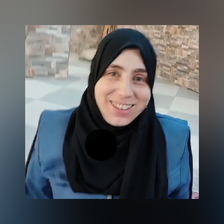
Najwa Sheikh is a Palestinian refugee from al-Majdal located just north of the Gaza Strip. Shiekh has lived in refugee camps in Gaza her entire life. She is married with three children. This article was originally published by Palestine Chronicle and is republished with permission.