United Nations News Service 24 November 2006
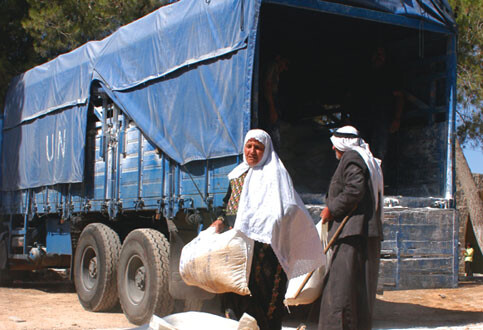
An average of 1,069,200 Palestinians now live in deep poverty, up from 650,800 in the second half of last year. (UNRWA)
More than 1 million Palestinians, or one in four inhabitants of the occupied territories, are now mired in deep poverty as living standards deteriorate dramatically following the economic boycott of the Palestinian Authority this year, according to a United Nations report released today.
The report from the UN Relief and Works Agency for Palestine Refugees in the Near East (UNRWA) found that the number of people living in “deep poverty” - defined as an inability to meet basic human consumption needs - soared by 64 per cent during the first half of 2006.
An average of 1,069,200 Palestinians now live in deep poverty, up from 650,800 in the second half of last year. Consumption has therefore slumped as well, with the purchase food down by 8 per cent and non-food products down by 13 per cent.
UNRWA spokesman Matthias Burchard told a press conference in Geneva that the fiscal crisis in the Occupied Palestinian Territories is having a disproportionately negative effect on refugees, who are less likely to find work and more dependent on public sector jobs.
Describing the results as worrying, Mr. Burchard said the morality of the sanctions against the Palestinian Authority had to be questioned. After the victory of Hamas - which has said it is committed to Israel’s destruction - in Palestinian Legislative Council elections in January, Israel stopped handing over tax and customs revenues it collects on behalf of the Authority. Many international donors also suspended direct aid, calling on Hamas to commit to non-violence, recognize Israel, and accept previously signed agreements.
The report also found that gross domestic product (GDP) in the Occupied Palestinian Territories fell by more than 10 per cent per capita in the first half of this year, with the only expansion occurring in the public sector, thanks to an expansion in hiring and a wage hike for workers in late 2005.
To download the full report (PDF) click here.
Related Links