The Electronic Intifada 30 October 2004
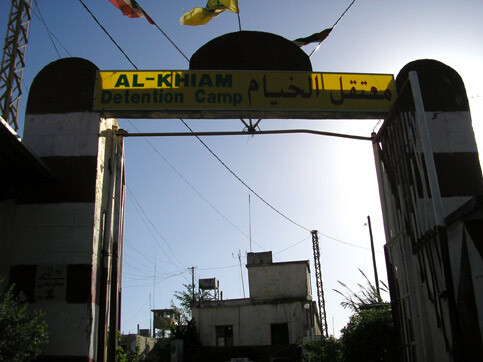
Al-Khiam detention camp is built on a hill overlooking the town of Khiam. Inside a complex first built by the French in the 1930s, new detention and interrogation facilities have been built. (Arjan El Fassed)
Khiam prison was a detention and interrogation camp during the years of the Israeli occupation of southern Lebanon. From 1985 until the Israeli defeat in May 2000, Lebanese and Palestinian detainees were held in Khiam without trial. Most of them were brutally tortured - some of them died.
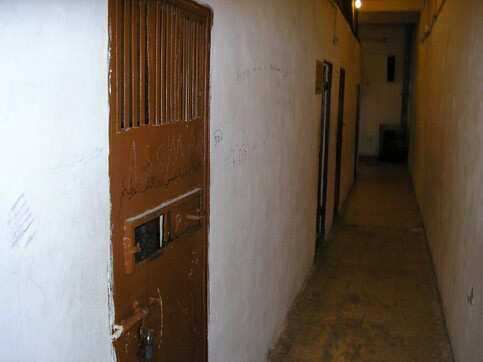
There are cells whose only light comes through ventilation holes in the ceiling, isolation cells, interrogation rooms and communal cells. (Arjan El Fassed)
Soon after the Israeli withdrawal from South Lebanon, the guards of the notorious Khiam prison fled, leaving the prisoners free. Men, women and children had been held in appalling conditions.
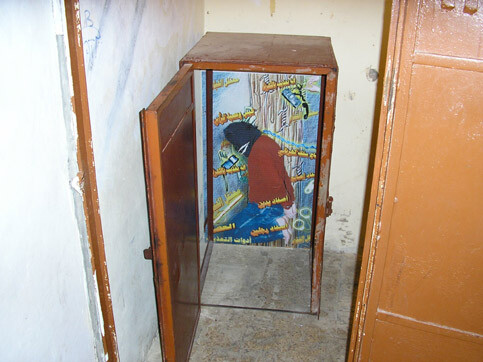
The prison was also equipped with a row of punishment cells so small that it was only possible to sit in them but not lie down. Prisoners would be left in these for up to ten days at a time. (Arjan El Fassed)
The detention camp is now empty. The prisoners’ testimonies and the cells bear witness to what went on inside. Prisoners were crammed into tiny, filthy spaces where they ate and slept. Those not in solitary confinement were allowed out once a week for 15 to 30 minutes in the “sun room” and open space surrounded by walls.
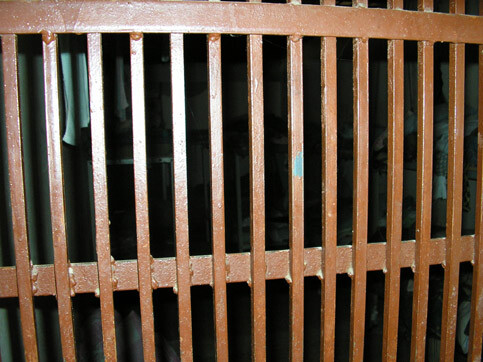
For the first period of detention, for between 10 days and two months, prisoners were usually held in solitary confinement in a cell 90cm by 90cm in which it was impossible to stand or lie, and to sleep detainees had to sit with their feet on the wall. (Arjan El Fassed)
Prisoners have been routinely tortured, three times a day. Torture included beatings, being prodded with electrical cables in sensitive parts of the body and being hung from painful positions.
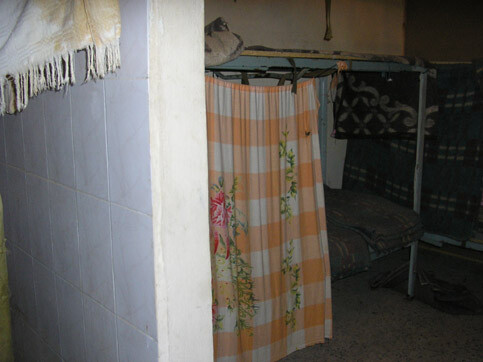
Detainees were given inadequate food rations and beaten when they prayed until a riot in 1989, during which two prisoners, Bilal al-Salman and Ibrahim Abu ‘Azz, were killed. (Arjan El Fassed)
Among the prisoners were Lebanese journalist Cosette Ibrahim, kidnapped while reporting in southern Lebanon. Some of the detainees were children, like 15-year-old Ali Tawbeh, who with his parents was dragged from his home by the Israeli occupation forces in 1997. Other hostages, like Abdeh Malkani, were over seventy years old. Hussein Awada, 65 years old, had been detained since June 1999. He had serious heart problems and could only move with the help of a stick.
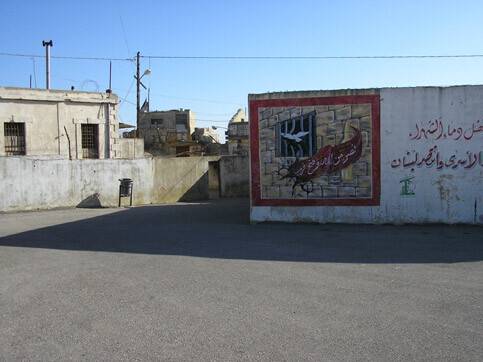
Prisoners were allowed outside for 15 minutes every one or two weeks. (Arjan El Fassed)
Israel ran the prison using the militia they had created, the South Lebanese Army. The Khiam detention centre was set up by the Israelis in 1985. They were directly in charge of it until 1987, when they handed control over to their allies, the SLA, while still pulling the strings. They provided the training for the torturers and lead the torture sessions. They paid the salaries and provided all the equipment.
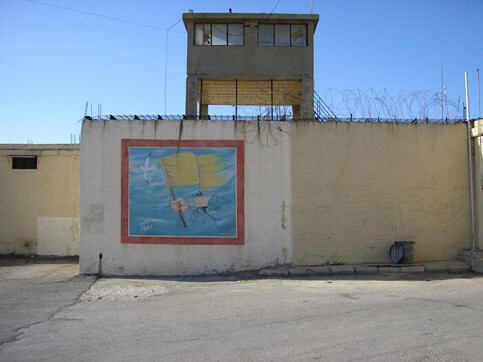
Khiam detention camp succeeded Ansar detention camp in southern Lebanon as the main interrogation and detention centre of the SLA in south Lebanon. (Arjan El Fassed)
Pressure from the International Committee of the Red Cross to visit the Khiam centre forced the SLA to improve detainment conditions. However, it took a year before they allowed the ICRC to inspect the prison in January 1995.
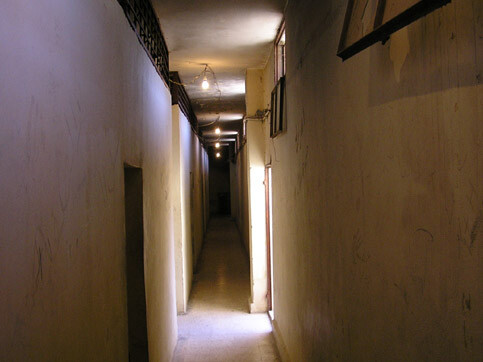
The torture methods reportedly included electric shocks; suspension from poles, usually with only the toes touching the ground; beating, sometimes after the body is doused in water; and threats of rape of wives and female relatives. (Arjan El Fassed)
Between 1987 and 1995 prisoners in Khiam were not allowed access to their families. They were denied the right of prompt judicial review of the lawfulness of their detention. A number of detainees have died in Khiam, some of them after torture, others because of lack of medical treatment. Other prisoners have been released after years of torture and incommunicado detention with serious physical or mental illnesses.
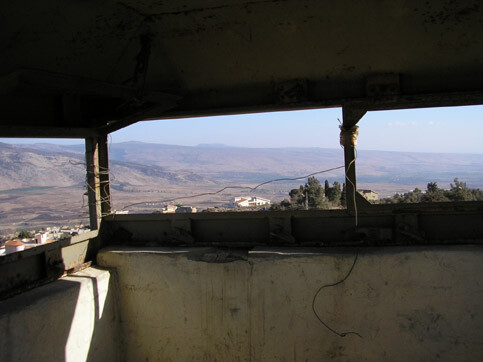
After the Israeli withdrawal, residents of Khiam village stormed the detention centre and released all remaining 144 detainees. (Arjan El Fassed)
In May 2000, when Israel withdrew from Lebanon, many of Khiam’s guards and interrogators fled across the border among the six thousand members of the South Lebanese Army and their families who took refuge in Israel, living under Israeli government protection at the expense of the Israeli taxpayer.
Related Links